

Understanding Racial Health Inequities
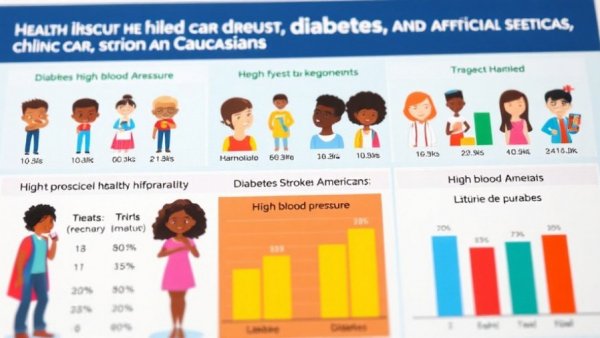
The stark disparities in health outcomes between African Americans and their white counterparts are not just numbers; they are a reflection of systemic issues deeply rooted in American society. For instance, during the COVID-19 pandemic, African Americans faced death rates as much as six times higher than whites. This alarmingly high figure emphasizes the urgent need to address what some call the "Black-white death gap," which has its origins in longstanding socioeconomic inequalities. Black Americans typically experience a lower life expectancy, roughly three years shorter for women and five years for men, largely due to a combination of social, economic, and environmental factors.
The Intersection of Diet and Health
One of the most pressing health concerns affecting African Americans is the prevalence of chronic diseases like hypertension, obesity, diabetes, and cardiovascular disease. These conditions can be exacerbated by limited access to nutritious foods. In many predominantly Black neighborhoods, supermarkets are significantly outnumbered by fast-food outlets, perpetuating a cycle of unhealthy eating behaviors. Statistics indicate that these areas may have four times fewer supermarkets than predominantly white neighborhoods, contributing to a diet heavy in processed foods and low in fruits and vegetables.
How Plant-Based Diets Make a Difference
Research suggests that shifting toward a plant-based diet could significantly mitigate these health disparities. For instance, studies show that individuals adhering to a plant-based regimen have drastically lower odds of developing diabetes—57% lower for non-Blacks and up to 70% lower for Black vegans, independent of factors like BMI. This dramatic difference points to the potential of dietary changes as a frontline defense against common ailments disproportionately afflicting African Americans.
Broader Socioeconomic Factors at Play
While diet plays a critical role, it is vital to recognize the socioeconomic factors at play. Issues like income inequality, access to healthcare, childhood exposure to unhealthy food marketing, and overall education impact health outcomes. For example, lower levels of education and higher poverty rates among African Americans mean that changing dietary habits often comes with its own set of challenges.
Actionable Steps Forward
What can be done to harness the health benefits of a plant-based diet effectively? Education plays a crucial role. Community programs that focus on providing nutritional education can empower individuals to make healthier food choices. Initiatives could provide resources such as accessible cooking classes, gardening opportunities, and nutritional workshops tailored to the unique cultural contexts of African American communities.
Conclusion: Embracing Change for a Healthier Future
Addressing the health disparities faced by Black Americans requires a multifaceted approach, but promoting plant-based diets could serve as a significant step in the right direction. Not only can healthier dietary choices impact individual health outcomes, but they can also improve overall community welfare. We have the power to shift mindsets and lifestyles toward healthier living, and in doing so, we can help close the racial health gaps that have long persisted. If you're ready to rethink your meal plans, consider exploring plant-based options that not only benefit your health but also the health of our communities.










Write A Comment