

Unlocking Cellular Energy: How CoQ10 Supports Your Health
Coenzyme Q10, often abbreviated as CoQ10, is gaining attention for its crucial role in cellular energy production and potential health benefits, particularly regarding cancer prevention and support. As we age, our natural stores of CoQ10 decline, making supplementation important for maintaining energy and overall wellness.
What is CoQ10?
CoQ10 is a fat-soluble compound found in every cell of the body, with the highest concentrations in the heart, liver, kidneys, and pancreas. Primarily, it acts as a coenzyme aiding in the production of adenosine triphosphate (ATP), the energy currency of cells. Beyond energy production, it functions as a powerful antioxidant, helping to protect cells from oxidative stress—one of the key contributors to aging and various diseases.
Why Is CoQ10 Important for Cancer Support?
Research suggests that low levels of CoQ10 may be linked to an increased risk of certain types of cancer, such as breast and lung cancer. It's thought that its antioxidant properties might reduce oxidative stress in the body, which could potentially hinder the development of cancer cells. Nevertheless, while some studies indicate benefits, comprehensive clinical trials are essential to firmly establish CoQ10’s efficacy as a cancer support treatment.
Benefits Beyond Cancer: CoQ10 and More
Aside from its cancer-fighting potential, CoQ10 offers numerous benefits, especially for older adults, including:
- Heart Health: CoQ10 may improve the overall efficacy of heart disease treatments by promoting better energy production in heart cells.
- Diabetes Management: Emerging research indicates that CoQ10 helps improve insulin sensitivity and may regulate blood sugar levels.
- Exercise Performance: For those engaged in physical activity, CoQ10 can help reduce fatigue and enhance exercise performance by ensuring efficient cellular energy production.
- Brain Health: Incorporating CoQ10 may protect brain cells from damage and lower the risk of neurodegenerative diseases.
Including CoQ10 in Your Diet
While supplements are a popular way to boost CoQ10 levels, certain foods are rich in this vital nutrient. To increase your intake, consider incorporating:
- Fatty fish: like salmon and mackerel
- Organ meats: including liver and heart
- Nuts and seeds: particularly sesame seeds and pistachios
- Legumes: such as soybeans and peanuts
- Whole grains: like wheat germ and oats
Practical Tips for CoQ10 Supplementation
If you decide to supplement with CoQ10, it's good to know:
- Consult with a healthcare provider to tailor the dosage to your needs.
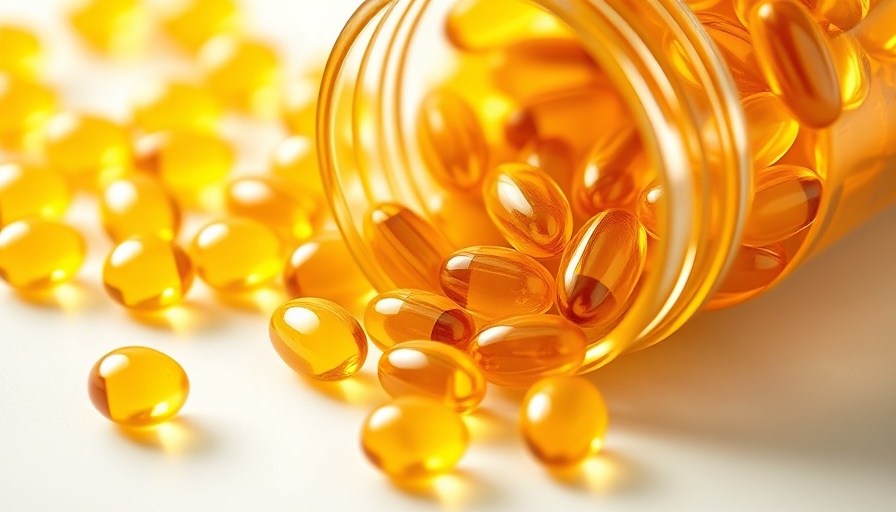
- Take CoQ10 with meals to improve its absorption, particularly soft-gel capsules, which are more effective than powder forms.
- Watch for potential interactions with medications, especially blood thinners.
Final Thoughts on CoQ10
CoQ10 presents an exciting prospect for those looking to enhance energy levels and support overall health, especially in the context of aging and potential cancer risks. As more studies emerge, understanding how CoQ10 fits into a balanced and health-conscious lifestyle will be key.
Are you considering adding CoQ10 to your health regimen? Explore various supplements and whole food options to discover how this mighty coenzyme can work for you!








Write A Comment