

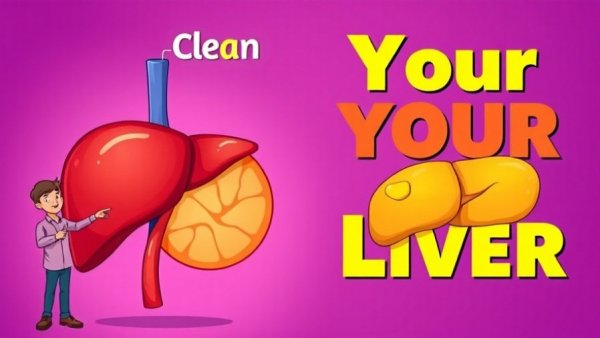
Understanding Fatty Liver: What Does It Mean?
When you hear the words 'fatty liver,' it might sound alarming. In fact, a diagnosis of a grade two fatty liver indicates that between 34% to 66% of your liver is filled with fat. This condition often sneaks up on people without visible symptoms, which makes it all the more crucial to understand its implications. The liver, a crucial organ for detoxification and metabolic functions, can still encounter significant challenges even when liver enzymes appear normal.
In 'The Fastest Way to Reverse Fatty Liver,' the discussion dives into nutritional strategies and the role of fasting in improving liver health, inspiring this deeper exploration of vital dietary changes.
Identifying the Causes of Fatty Liver
There are four main contributors to the development of fatty liver disease:
- Fructose Consumption: Fructose is a form of sugar that can only be metabolized by the liver. High fructose corn syrup, commonly found in sodas, is a prime offender that leads to excessive fat build-up in the liver.
- Refined Carbs: Eating large amounts of refined sugars and starches can lead to increased liver fat, especially when insulin levels are high.
- Choline Deficiency: This lesser-known nutrient is vital for preventing fat accumulation in the liver. Foods rich in choline, such as eggs and beef liver, should be incorporated into daily meals.
- Seed Oils: The processed seed oils in many fried and packaged foods contribute to inflammation, making liver function increasingly difficult.
The Optimal Foods to Combat Fatty Liver
Fortunately, making dietary changes can significantly help reverse fatty liver disease. Here are eight foods you can incorporate into your meals to restore liver health:
- Eggs: Rich in choline and low in carbohydrates, they prevent excess fat build-up in the liver.
- Olive Oil: Extra virgin olive oil, packed with polyphenols, can reduce liver fat significantly when used as your primary fat source.
- Fatty Fish: Salmon, sardines, and mackerel contain omega-3 fatty acids that reduce liver inflammation.
- Garlic: Studies show that garlic can help activate your body’s fat-burning mechanisms in the liver.
- Cruciferous Vegetables: Kale, broccoli, and cabbage promote liver detoxification and fight inflammation.
- Sauerkraut: This fermented food aids in gut health and liver repair.
- Black Coffee: Both caffeinated and decaffeinated coffee are beneficial for liver health.
- Avocados: They provide essential nutrients for liver function and help produce glutathione, a powerful antioxidant.
The Power of Fasting
While diet is crucial, fasting might just be the game-changer for reversing fatty liver disease. The practice of intermittent fasting, such as an 18-hour fasting window with a 6-hour eating period, empowers the body to use its fat stores more efficiently and may significantly diminish liver fat. This is because during fasting, your body can directly address fat accumulation and support liver regeneration.
What This Means for You
Understanding the intricacies of fatty liver disease is the first step towards regaining control over your health. With simple dietary adjustments and strategic fasting, you can effectively combat this condition. No longer a mere statistic, you now have actionable steps to take charge of your liver health.
Take Action for a Healthier Liver
Our health begins with knowledge and action. Consider how you can implement these dietary recommendations into your routine. For a more detailed approach, be sure to explore additional resources, quizzes, and free downloadable guides that can assist you on your journey to wellness.









Write A Comment