

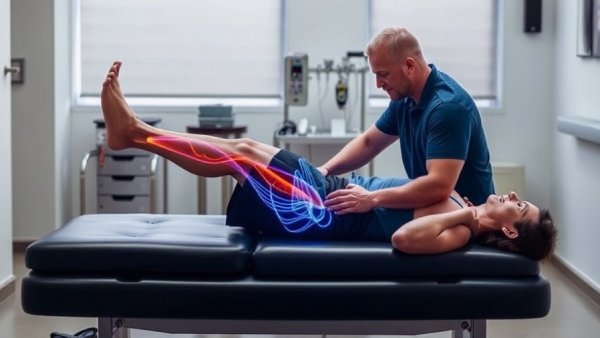
Breaking Conventional Wisdom: The New Approach to Tendon Recovery
Have you ever injured your elbow or experienced that nagging pain in your Achilles tendon? Traditional advice usually revolves around rest and ice, leading many to believe that immobilization is the key to tendon healing. While rest is crucial, recent research challenges this notion, revealing that too much inactivity can actually hinder recovery. Let’s explore these findings and discover how a modern approach to tendon rehabilitation can help.
Understanding the Function of Tendons
Tendons are the essential connectors between muscles and bones, enabling activities from walking to lifting. When injured, these tough tissues can cause significant pain and limit mobility, so it's vital to understand the right ways to promote healing. Keith Baar, Ph.D., has conducted extensive research on how tendons respond to physical stress, offering new insights into rehabilitation strategies that enhance recovery.
What’s Wrong with Resting? The Dangers of Immobilization
Conventional wisdom has often pushed us to rest our tendons after injury. However, as Baar points out, this can lead to a condition known as "stress shielding," where healthy parts of the tendon take on more stress, thus leaving weaker areas unexercised and unable to recover. This imbalance can slow down the healing process and make injuries last longer than they need to.
Low-Jerk Isometric Loading: A Game-Changer in Recovery
So, how can injured tendons truly heal? The answer might lie in a technique called low-jerk isometric loading. This method involves carefully applying gradual tension to the muscles connected to your tendons, allowing for a controlled way of rebuilding strength without the risk of sharp pain or further injury. Baar recommends that once you determine pain-free levels of tension, you can safely implement slow, sustained contractions to stimulate healing.
Benefits of Controlled Movement
One remarkable aspect of this approach is its ability to not only decrease inflammation but also enhance the healing potential of damaged areas. By allowing for consistent tension, the body receives signals that encourage the rebuilding of collagen — a crucial component needed for strength. For those recovering from Achilles or tennis elbow injuries, the suggested practice is to gradually increase muscle tension while keeping movements deliberate and controlled.
Nutritional Support for Tendon Healing
In addition to these newfound physical practices, nutritional support plays a vital role. Tendons thrive on collagen, often found in sources like bone broth and slow-cooked meats. For optimal recovery, aim for a balanced intake of protein and carbohydrates to fuel your body as you move through the healing process. This combination of nutrition and gentle exercise helps maintain tendon flexibility and strength.
Getting Back to Your Routine
As you recover, be patient and listen to your body. The journey back to full function requires careful monitoring of your movements and a balanced approach to increasing intensity and resistance exercises. Make your first goal to regain pain-free movement before progressing to more advanced exercises. Regular strength training will not only help your rehabilitation but also prepare your tendons for the demands of everyday activities.
Final Thoughts: Taking Active Steps Towards Recovery
Embracing these contemporary rehabilitation strategies can redefine your recovery road. Instead of letting an injury sideline you, consider integrating low-jerk isometric loading in your routine. Remember that intentional movement combined with proper nutrition can transform your healing journey. If you suspect you've suffered a serious injury, consult a healthcare provider to guide your rehabilitation.
Make the commitment to support your tendon health and overall wellness today—your body will thank you!









Write A Comment