
Add Row
Add Element
Healthy Supplements Blog
update

Healthy Supplements

update
Add Element
  • Home
  • Categories
    • Better Absorption, Better Results
    • Wholefood Over Hype
    • The Real Wellness Shift
    • Land and Sea Wellness
    • What Your Body’s Really Needs
    • Stories of Shift
    • Truth in the Label
  • All Posts
  • Better Absorption, Better Results
  • Wholefood Over Hype
  • The Real Wellness Shift
  • What Your Body’s Really Needs
  • Stories of Shift
  • Truth in the Label
  • Land and Sea Wellness
June 15.2025
1 Minute Read

Testosterone Importance: Unlock Vitality You Can't Ignore

Did you know that men lose about 1% of their testosterone every year after age 30? This revealing figure spotlights why understanding testosterone importance is critical—its influence stretches far beyond physical strength, deeply impacting mood, cognition, and your fundamental sense of vitality. As science reveals more about this potent sex hormone, it’s clear that keeping testosterone in balance is key to feeling healthy, energetic, and resilient. Dive into this comprehensive guide to discover exactly how testosterone shapes your life, the signs of imbalance to watch for, and real steps to optimize your hormone health—no matter your age or gender.

Dynamic portrait of a diverse, healthy adult male and female, confident expressions, standing side by side in athletic attire, Photorealistic High Fidelity Lifelike, sunlit park background with green trees and warm morning light filtering through, highly detailed, subtle breeze in hair and clothing, shallow depth of field, natural daylight, shot with a 50mm prime lens. Testosterone Importance
"Did you know that men lose about 1% of their testosterone every year after age 30? This hormonal decline affects not only physical strength but also mood, cognition, and overall sense of vitality."

Understanding Testosterone Importance: Why It Matters for Vitality

Testosterone's importance is immense: it determines much more than just the development of male sex features. This essential sex hormone regulates processes ranging from bone density and muscle mass to mood, energy, and even mental alertness . Testosterone influences both men and women, although in different amounts—affecting everything from sexual function to cognitive performance and metabolic health. An optimal balance of this hormone is vital for maintaining overall wellness, staving off risks associated with aging, and ensuring sustained energy levels as you move through life stages.

For men, the steady decline of testosterone—a typical loss of about 1% per year after 30—means that symptoms can be subtle yet far-reaching. Women also produce testosterone, mainly through their adrenal glands and ovaries, contributing to bone strength, libido, and mental acuity. To neglect the importance of testosterone is to overlook a cornerstone of health. From feeling motivated in daily routines to maintaining effective metabolism and robust physical health, testosterone is the engine that drives vitality for all genders.

  • Testosterone Importance influences physical, mental, and emotional health
  • Impacts both men and women
  • Vital for overall wellness, aging, and energy
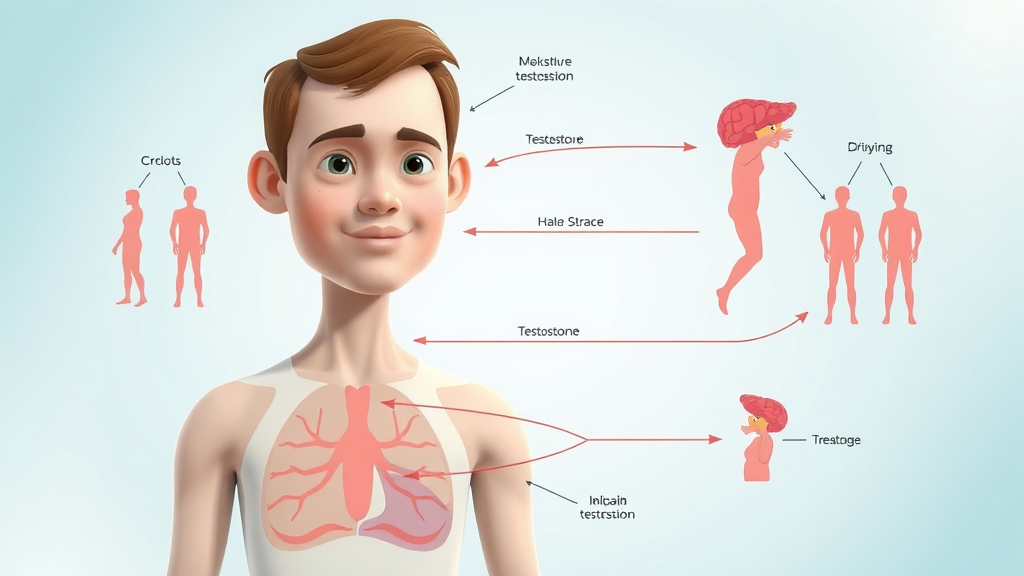
Informative illustration of human hormone pathways, diagramming hormone effects, with arrows showing testosterone flow, clean clinical background, highly detailed, light blue and white palette. Testosterone Importance

Key Takeaways from Testosterone Importance

Grasping testosterone importance provides a foundation for both self-awareness and better health management. Understanding the core elements—like normal testosterone ranges, signs of imbalance, and impactful lifestyle or medical interventions—forms the basis for maintaining robust vitality through every decade of life.

Highlighted here are the main knowledge points every health-conscious person should know. Whether you’re looking to identify symptoms of low or high testosterone , or interested in practical steps for keeping your hormone levels optimal, this article empowers your decisions with up-to-date, actionable guidance.

  • Gain foundational knowledge of Testosterone Importance
  • Recognize symptoms and impacts of low and high testosterone
  • Learn how to maintain optimal testosterone levels through lifestyle and medical options

Testosterone Importance in Relation to Testosterone Level and Health

The relationship between testosterone level and your health cannot be overstated. Having a normal testosterone level underpins muscle strength, bone integrity, sexual health, and motivation. Both extremes—whether a dip into low testosterone or an elevation to high testosterone —bring risks that can diminish overall quality of life. Monitoring this hormone’s role is crucial for both primary prevention of chronic illness and targeted interventions.

Maintaining healthy levels of testosterone, appropriate for your age and gender, ensures benefits across the board—from stronger physical performance to a sharper mental edge and a more balanced mood. Regular blood tests are the only definitive way to gauge your hormone status, giving both you and your healthcare provider a roadmap to optimize your well-being in the years ahead.

Exploring the Effects of Testosterone on the Body

The effects of testosterone ripple through nearly every aspect of bodily function. On the physical plane, testosterone directly supports muscle and bone health , which is why people with low levels often report weakness or diminished mass. Testosterone levels also modulate libido and sexual function —a reason why low libido and performance changes are early warning signs for hormonal deficiencies.

Beyond the obvious, testosterone profoundly affects mental alertness and mood regulation. Many men and women with low testosterone describe feeling unmotivated, depressed, or mentally “foggy.” Adequate levels bolster energy and spark creativity, contributing to drive and emotional stability.

  • Muscle and bone health
  • Libido and sexual function
  • Mental alertness and mood
  • Energy and motivation

Athletic middle-aged man lifting weights in gym, demonstrating physical strength, Photorealistic, highly detailed. Testosterone Importance

Normal Testosterone Level: Understanding the Baseline for Vitality

A normal testosterone level acts as your personal baseline of vitality. Defined as the typical concentration of testosterone in your blood, averages vary depending on age, gender, and even the time of day. For men ages 19–49, a typical range is 264–916 ng/dL (nanograms per deciliter), while for women it’s 15–70 ng/dL. Testing should always include a thorough evaluation of symptoms, as some people might thrive with lower or higher values within the reference range.

Blood tests remain the gold standard for diagnosing low or high testosterone. Depending on symptoms or risk factors, clinicians may recommend serial testing to track trends over time. Age matters significantly—natural declines occur, but dramatic drops are never “normal” and call for attention. Recognizing your baseline provides a benchmark for ongoing health.

  • Defining normal testosterone
  • Variations based on age and gender
  • The role of blood tests
Average Testosterone Levels by Age (ng/dL)
Age Group Normal Range Key Considerations
19–29 264–916 Peak testosterone production; optimal muscle and bone health
30–39 264–916 Begins gradual natural decline (~1% per year)
40–49 220–850 Close monitoring advised for symptoms of low testosterone
50–59 200–800 Increased risk for low testosterone levels; checkups important
60+ 170–730 Risk for testosterone deficiency and increased health risks

Low Testosterone: Symptoms, Causes, and Risks

Low testosterone (medically known as hypogonadism or testosterone deficiency) is more than just a number—its symptoms infiltrate both body and mind. Many men and women with low levels of testosterone suffer in silence, misattributing symptoms such as low energy, mood swings, or loss of muscle mass to normal aging.

Recognizing the telltale signs of low testosterone levels is vital for early intervention. Causes range from chronic illness and certain medications to stress, poor sleep, or simply age-related declines. Left untreated, low testosterone can bring long-term health consequences.

Identifying Low Testosterone Symptoms

The symptoms of low testosterone can be subtle, developing over months or years, and they affect multiple systems simultaneously. The most obvious sign for many is fatigue —a profound sense of tiredness that exercise or rest won’t shake. Decreased libido or sexual function issues are classic early clues, while mood swings and irritability can catch others off guard.

Additional symptoms include difficulties building or maintaining muscle mass , unexplained weight gain, and noticeable decreases in body hair growth. Because low testosterone can also drive loss of motivation and lower self-confidence, people with persistently low levels are at greater risk for depression and anxiety.

  • Fatigue
  • Decreased libido
  • Mood swings
  • Loss of muscle mass

Tired middle-aged man sitting on couch holding head, fatigued, Photorealistic High Fidelity Lifelike, cozy living room. Low testosterone

Common Causes of Low Testosterone

While aging tops the list of low testosterone causes, many other factors can impair the body’s ability to produce testosterone . Chronic diseases such as obesity, diabetes, or heart disease can lower testosterone. The pituitary gland and adrenal glands—key players in the body’s hormone network—may also be impaired, disrupting normal hormone signals.

Lifestyle choices matter: lack of exercise, poor diet, inadequate sleep, and excessive alcohol or drug use can all reduce testosterone production. Some medications, like steroids and opiate pain relievers, are also linked to a decline. Recognizing these risk factors helps inform a prevention mindset.

  • Aging process
  • Chronic illness
  • Lifestyle factors
  • Medications

Potential Long-term Risks of Low Testosterone on Health

Ignoring low testosterone doesn’t just affect today’s energy or mood—it can quietly erode long-term well-being. One of the most serious consequences is poor heart health , as testosterone plays a crucial role in cardiovascular function. Lower testosterone levels are also linked with bone density loss, raising the risk for osteoporosis and fractures in later years.

Cognitive decline and increased body fat are further concerns. Testosterone has neuroprotective effects that help maintain mental sharpness. Left unchecked, low levels drive an increased risk for memory issues, dementia, or even Alzheimer’s disease. Weight gain and a shift toward abdominal fat often follow, further driving metabolic and health challenges.

  • Impacts on heart health
  • Increased risk of osteoporosis
  • Cognitive decline
  • Weight gain
"Low testosterone doesn't just affect your sex drive; it can increase risks for depression and cardiovascular issues, says endocrinologist Dr. Jane Smith."

Addressing Testosterone Importance: Therapy and Natural Methods

Treating testosterone deficiency or preventing further decline is possible, whether through medical interventions or lifestyle changes. It’s important to tailor approaches to the individual’s age, health status, and specific risks. Early diagnosis and a personalized plan keep you in command of your hormonal health.

Options range from testosterone therapy to nutritional changes and exercise. Each has pros and cons, so understanding what’s available and suitable for your context is the first step.

Testosterone Therapy: Medical Approaches and Effectiveness

Testosterone therapy , also known as testosterone replacement therapy (TRT), is the mainstay medical intervention for people with confirmed low testosterone levels. Available in forms like gels, injections, skin patches, and tablets, TRT helps restore normal testosterone levels and can rapidly reverse many symptoms. Candidates are carefully screened—including blood tests and a review of side effects—to ensure therapy is both safe and effective.

Side effects can include increased red blood cell count, acne, sleep apnea, and, rarely, an elevated risk of heart disease. Only those with true testosterone deficiency benefit from therapy; taking testosterone without a clear medical indication can create more harm than good. Ongoing medical monitoring is essential to optimize results and limit risks.

  • Forms of testosterone therapy
  • Safety and possible side effects
  • Candidacy and evaluation process

Professional doctor consulting male patient, discussing medical options, Photorealistic, modern clinic, Testosterone Therapy

Natural Ways to Support Healthy Testosterone Levels

Not everyone requires medical therapy—simple lifestyle shifts can maintain or even boost testosterone production . A diet rich in lean proteins, healthy fats, and green vegetables supports hormone synthesis. Certain nutrients such as zinc and vitamin D are especially important for balanced testosterone.

Regular exercise and strength training stimulate the body to release more testosterone naturally, while keeping you fit and preserving muscle mass . Reducing stress through relaxation techniques and prioritizing quality sleep are equally important. Often, these interventions work best in combination with medical guidance for maximum impact.

  • Diet and nutrition
  • Exercise and strength training
  • Stress reduction
  • Sleep optimization

Healthy diverse meal arrangement including leafy greens, fish, nuts, inviting presentation, Cinematic kitchen, Testosterone production
Comparison Table: Testosterone Therapy vs. Natural Interventions
Approach Benefits Downsides/Risks Ideal For
Testosterone Therapy Rapid symptom improvement; corrects clinical deficiency Requires prescription; possible side effects; ongoing monitoring needed People with confirmed testosterone deficiency
Natural Methods Supports overall health; lower risk profile; sustainable long-term Slower improvement; may be insufficient for diagnosed deficiency Most healthy adults; prevention, mild symptoms

High Testosterone: Understanding Risks and Signs

While low testosterone presents unique health challenges, high testosterone can be just as harmful. Elevated hormone levels—sometimes due to external supplementation or rare tumors—can lead to exaggerated physical changes and mood disturbances. It’s essential to recognize and appropriately manage signs of high testosterone to prevent both immediate and long-term harm.

Both men and women are vulnerable, though the causes often differ by gender. For some athletes, excessive muscle growth and aggression may be red flags, while women might notice body or facial hair changes. Medical evaluation is always important when symptoms of excess arise.

Symptoms and Causes of High Testosterone

Signs of high testosterone are usually dramatic: increased aggressiveness and mood changes , rapid or excessive muscle growth, and oily or acne-prone skin are common. In men, overuse of supplements or anabolic steroids can drive dangerously high levels, while women may experience deeper voice changes, increased body hair , or menstrual irregularities.

Medical causes include rare adrenal gland or pituitary gland tumors that increase testosterone production. Less commonly, certain medicines or supplements disrupt hormonal balance, resulting in an abnormal amount of testosterone in the bloodstream.

  • Aggressiveness and mood changes
  • Excessive muscle growth
  • Acne or oily skin
  • Medical causes: tumors, external use

Young muscular male with intense expression, flexing bicep, exaggerated muscle tone, gym background with dramatic lighting. High testosterone

Managing and Monitoring High Testosterone

If high testosterone is suspected, prompt medical attention is required to diagnose and address the root cause. Blood tests confirm hormone status, after which medication adjustments or treatments address the underlying source—especially if tumors or supplement misuse are involved.

Ongoing evaluation is critical to prevent complications such as liver or cardiovascular issues, infertility, or persistent mood changes. Never self-prescribe hormone supplements or steroids; expert guidance ensures the safest, most effective resolution.

  • Medical evaluation
  • Adjusting medications or supplements

Maintaining Normal Testosterone Levels Through the Lifespan

As you age, natural hormonal changes can lower testosterone production, but adjustments in lifestyle and routine screenings can help preserve optimal levels. Recognizing early warning signs and intervening quickly maximizes long-term health and prevents unnecessary decline.

Regular health checkups, combined with sensible self-care, form a powerful protection strategy. If you notice persistent symptoms—like low libido , fatigue, or mood changes—consulting your doctor for hormone testing is always a wise move.

  • Hormonal changes with aging
  • Importance of regular checkups
  • Early intervention strategies

Active older man jogging on tree-lined path, joyful expression, maintaining health through active lifestyle, Photorealistic, autumn park. Testosterone levels

People Also Ask: Answers to Top Testosterone Importance Questions

Why is testosterone so important?

Testosterone is crucial for sustaining both physical and mental health . This powerful sex hormone regulates muscle and bone mass, mood, energy, sexual function, and even cognitive sharpness. Balanced levels of testosterone are fundamental for overall vitality, athletic performance, and a healthy, active lifestyle in both men and women.

What happens if testosterone is low?

With low testosterone , you may experience fatigue, reduced libido, difficulty building or retaining muscle mass, and mood swings. Over time, untreated low testosterone levels can raise your risk for osteoporosis, depression, weight gain, and even cardiovascular disease. Identifying and addressing deficiencies early can prevent many of these issues.

What is an important function of testosterone?

An important function of testosterone is to promote the development of male sex characteristics , such as deeper voice, body hair, and increased muscle mass. However, it’s equally vital for bone density , sexual function, and emotional well-being—impacting both men and women across their lifespans.

What happens to a man when his testosterone is high?

When a man has high testosterone , effects can include increased aggression, excessive muscle growth, and acne or oily skin. While some athletes seek these changes, uncontrolled high testosterone—often from supplements—may result in health risks such as infertility, heart problems, and liver damage. Medical evaluation is essential to managing these risks.

Frequently Asked Questions About Testosterone Importance

  • What is the ideal normal testosterone level? The ideal range for men is generally 264–916 ng/dL, while for women it is 15–70 ng/dL. Individual needs may vary, so interpreting results alongside symptoms is essential.
  • Can women have testosterone problems? Yes. Women can experience both low and high testosterone levels, resulting in symptoms like fatigue, irregular periods, reduced libido, or excess body hair. Women should seek assessment if these signs develop.
  • How often should testosterone levels be checked? Adults with risk factors or symptoms should check testosterone annually, or as advised by a healthcare provider. Those on testosterone therapy may need more frequent monitoring.
  • Does exercise influence testosterone production? Absolutely. Regular resistance training and moderate aerobic exercise have been shown to boost testosterone production naturally, while supporting muscle mass and metabolic health.

Further Reading and Resources on the Effects of Testosterone

  • Peer-reviewed journals
  • Clinical guidelines
  • Support groups and consult services

Preserving Testosterone Importance: Actions to Take Today for Better Health

  • Schedule a health screening
  • Implement easy lifestyle changes
  • Consult with a healthcare provider

Take action today—schedule a checkup, move more, and talk with a professional to keep your testosterone and vitality strong for life!

The Real Wellness Shift

31 Views

0 Comments

Write A Comment

*
*
Related Posts All Posts
12.17.2025

Is EMF Overeating Sabotaging Your Health? Find Out Now

Did you know your phone may be secretly causing you to overeat? A groundbreaking study revealed that people exposed to EMF (electromagnetic field) radiation from a cell phone consumed about 30% more calories afterward than those who weren’t exposed. EMFs, commonly emitted from phones and WiFi routers, can play havoc with your brain’s energy balance—essentially tricking your body into craving high-carb, high-sugar foods. Over time, these hidden influences may silently push you toward weight gain, emotional eating, and, for some, full-blown eating disorders. If you’ve ever wondered why healthy eating sometimes feels impossible—especially with all your devices nearby—you’re about to discover a hidden culprit that could be sabotaging your efforts and what you can do to stop it.Startling Facts: How EMF Overeating May Influence Your Diet and WeightShocking statistics on EMF exposure and calorie intake: Recent research found that EMF exposure from daily electronics, such as cell phones and WiFi routers, is linked to a significant increase in calorie consumption, especially processed snacks and sugary foods.Potential connection between electromagnetic fields and cravings: Studies have suggested EMFs disrupt the way your brain regulates hunger and satiety, creating powerful urges to binge eat beyond normal meal patterns.“A recent study found that people exposed to EMF radiation from a cell phone consumed about 30% more calories afterward than people who weren’t exposed.”[Wardzinski et al., 2022]What You’ll Learn About EMF Overeating and Your HealthThe relationship between EMF exposure and overeatingMechanisms linking electromagnetic fields to binge eating and weight gainHow to identify EMF overeating triggers in your daily lifePractical steps for reducing EMF-related eating disorder risks and cravingsUnderstanding EMF Overeating: Core ConceptsWhat is EMF Overeating?Definition and Explanation: EMF overeating refers to the tendency to eat excessively or binge eat as a response to exposure to electromagnetic fields from common devices like cell phones, WiFi routers, and laptops. Scientific studies indicate that this phenomenon affects many people without them realizing it.Sources of EMF Exposure: Everyday gadgets—including your cell phone, WiFi routers, power lines, and household appliances—emit electromagnetic fields that interact with your body’s energy systems. The duration and intensity of exposure may vary depending on how much time you spend with these devices nearby.EMF vs. Ionizing Radiation: While both emit energy, electromagnetic fields from our gadgets are non-ionizing (unlike X-rays or UV light). These electric and magnetic fields are powerful enough to impact your nervous system and metabolism without directly damaging DNA, making their subtle effects on hunger and cravings especially concerning.How Electromagnetic Fields (EMFs) Affect the BodyImpact on Appetite Regulation: Studies reveal magnetic fields can alter hormonal and neurotransmitter signals in the brain, directly affecting how hungry or full you feel after EMF exposure. These disruptions can trigger overeating or binge episodes, potentially setting the stage for an eating disorder.Brain Energy Balance & Metabolic Outcomes: EMF exposure is shown to disrupt glucose utilization in brain cells, causing an energy deficit your body perceives as hunger, leading to stronger cravings for high-calorie foods to quickly restore energy balance.Scientific Support: Human and animal studies provide growing evidence that electromagnetic field exposure alters the body’s metabolic processes and energy homeostasis, sometimes resulting in compulsive eating episodes and increased risk of obesity.Table: Comparing EMF Exposure Levels in Common DevicesDeviceTypical EMF ExposureFrequency EMF RangesAverage Daily UsagePhoneHigh800-1800 MHz3-5 hoursLaptopModerate2.4-5 GHz5-7 hoursWiFi RouterConstant2.4-5 GHz24 hoursPower LineLow/Moderate50/60 HzProximity-basedWhile understanding EMF exposure is crucial, it's also important to consider how dietary choices can support your body's resilience. For example, certain foods may help counteract the metabolic stress associated with EMF-related overeating. If you're interested in practical nutrition strategies, you might want to explore the benefits of avocado for liver health and fat metabolism, which can complement your efforts to maintain a balanced diet in a tech-driven world.How EMF Exposure May Trigger Binge Eating and OvereatingBrain Energy Deficits and Increased Food IntakeDisrupted Glucose Use: When the brain’s neurons are exposed to EMFs, studies show glucose utilization can plummet—essentially starving brain cells of their primary fuel. In response, your body’s natural signals ramp up binge eating behavior to replenish energy fast, often through high-sugar or high-carb foods.Physiological Cravings: This state of brain energy deficit not only boosts hunger but creates intense, hard-to-resist urges to eat, usually resulting in larger and more frequent eating episodes for both adults and teens in high-EMF environments.Neurochemical Changes and Eating DisordersInfluence on Key Neurochemicals: Research suggests EMF exposure can throw off dopamine and serotonin balance—chemicals responsible for pleasure and mood. Low levels after EMF exposure are associated with not only emotional eating, but also a greater risk of eating disorders like bulimia nervosa and binge eating disorder.Disordered Eating Patterns: This neurochemical disruption causes some people to repeatedly binge eat after device use, especially when feeling stressed, tired, or emotionally low. Over time, these patterns increase the risk of chronic obesity and poor mental health outcomes.Expert Voices:“Scientists calculated the long-term impact and warned that this overeating could add 50 to 60 extra pounds per year for the average adult.”(Watch a professional animated explainer video demonstrating how EMF exposure from everyday devices alters brain chemistry and elevates hunger cues, making cravings and binge eating more likely.)Case Studies: EMF Overeating and Everyday LifeReal-World Connections: Consider the college student who studies with a laptop, cell phone, and WiFi router at arm's length—reporting that she can’t stop snacking all evening, even when not hungry. Or the office worker whose late-night binge eating coincides with marathon sessions in front of a glowing screen and multiple wireless devices.Personal Successes: Some individuals have controlled cravings and cut down binge eating simply by creating device-free zones, unplugging the WiFi at night, or adding EMF shields to their workspaces—and have even noticed improvements in body image, mood, and general health.Body Image and Digital Triggers: The constant hum of electronics and exposure to magnetic fields magnifies stress about body image and contributes to emotional eating, showing just how powerfully today’s digital world interacts with our health behaviors.Are You at Risk? Signs and Symptoms of EMF-Related Binge EatingFrequently experiencing uncontrollable cravings or binge eating after prolonged digital device useFeeling hungrier on days spent near power lines, WiFi routers, or smartphonesNoticing a connection between emotional eating and high-tech environmentsEating abnormally large portions compared to your previous habitsSuffering from distress or negative feelings about eating episodes you’re unable to stopHow power lines, cell phones, and WiFi impact eating behavior: Extended exposure boosts the urge to snack or binge, especially in tech-heavy settings like city apartments, offices, and school environments.Checklist: Assessing your EMF overeating risk levelDo you find yourself snacking more after phone calls or computer sessions?Does your hunger seem higher at the office or near wireless devices?Have you noticed a link between screen time and emotional eating?Are you gaining weight despite a healthy diet or exercise?Do you wake up or go to bed using digital devices?Factors That Increase Susceptibility to EMF OvereatingGenetics, mental health, body image, trauma: People with a family history of eating disorders, anxiety, depression, or negative body image are more sensitive to EMF-induced cravings and binge episodes.Environmental Triggers: Constant exposure in homes, modern offices, or travel hubs (like airports or hotels) amplifies EMF exposure and risk of overeating.Role of Age & Lifestyle: Children, teens, and adults with sedentary lifestyles, stress, or previous eating episodes are most vulnerable, especially with high screen time and device use.What Trauma May Cause Overeating in the Presence of EMF?Types of Trauma: Childhood abuse, neglect, bullying, chronic stress, and unresolved emotional wounds are well-documented contributors to eating disorder risk—including binge eating and emotional overeating in tech-heavy settings.Synergistic Effects: Psychological stress seems to magnify the impact of electromagnetic field exposure, especially when both occur together, leading to more frequent impulsive eating episodes or “food binges.”Expert Insights: Professionals warn that EMF-induced neurochemical changes (dopamine/serotonin drops) complicate trauma recovery and can perpetuate emotional eating cycles.(Watch a candid video interview with a leading authority on mental health and EMF research, focusing on the intersection of trauma, eating disorders, and modern technology.)The Science: How EMF Overeating Connects to Obesity and Chronic DiseaseChronic emf overeating is associated with higher rates of metabolic syndrome, diabetes, and heart disease, all major global health threats.Large-scale studies show an alarming global rise in obesity rates, which scientists now partly attribute to electromagnetic fields and magnetic field exposure from digital devices.There’s a possible link to serious eating disorders like bulimia nervosa and compulsive binge eating, especially in youth and urban populations.“The last thing any of us need is our phones, WiFi routers, laptops, or earbuds sending signals that make cravings worse.”Preventing and Managing EMF Overeating: Evidence-Based StrategiesPractical Tips for Reducing EMF Exposure:Unplug WiFi routers at night and keep electronic devices out of bedrooms and eating areas.Reduce screen time and take breaks from cell phones and laptops, especially during meals and before bed.Position your workspace away from high-EMF devices (routers, power strips) and keep a safe distance from power lines where possible.Mindful Eating & Self-Monitoring: Create device-free meal routines and track your eating episodes to spot patterns linked to device use.Limit Usage: Use text/call features via speaker or headphones to decrease direct contact with your cell phone, and turn devices to “airplane mode” when not in use.EMF Protection Devices: Consider using EMF shields, grounding pads, or special device cases that block or absorb electromagnetic field emissions in high-use environments.Creating an EMF-Safe Environment for Healthy EatingEstablish EMF Barriers: Shield your dining space by turning off WiFi and unplugging devices during meals, or using EMF-blocking curtains and panels if you live near power lines.Best Practices: Designate tech-free meal times, remove phones from the table, and educate your family about the risks of emf overeating.Nutritional Plans: Opt for brain-fueling foods rich in healthy fats, complex carbs, and lean protein to help stabilize blood sugar and support a balanced brain energy state.Top EMF Protection Tools and TechnologiesBest EMF Shields and Protective Devices:EMF phone shields and casesWiFi router shields and guardsGrounding pads and matsEMF-neutralizing paint for high-risk areasWhole-home EMF protection systemsComparison Table of Effectiveness: For a detailed overview of top-rated EMF blockers for every room in your home, check out consumer review sites or consult professionals for recommendations.Expert Insights: Quotes on EMF Overeating and Weight Control“The last thing any of us need is our phones, WiFi routers, laptops, or earbuds sending signals that make cravings worse.”“If you want to support your brain, reduce EMF-related stress, and protect yourself at home, in your car, and on the go… this is exactly what you need.”People Also Ask: Insights About EMF OvereatingWhat happens if you constantly eat too much?Consistent overeating, especially triggered by factors like emf exposure, can lead to weight gain, metabolic disruptions, insulin resistance, risk of chronic illnesses such as heart disease, and negative mental health effects.What kind of trauma causes overeating?Emotional and psychological traumas—including abuse, neglect, loss, or chronic stress—can increase susceptibility to overeating disorders, particularly if combined with high exposure to electronic devices and electromagnetic fields.What are 5 signs of binge eating disorder?Frequent eating of very large amounts of foodFeeling unable to stop during binge eatingEating rapidly and past feeling fullEating in secret or when not actually hungryGuilt, distress, or shame after eatingWhat psychological triggers overeating?Stress, anxiety, depression, traumatic memories, and—according to recent research—imbalanced brain chemicals due to chronic emf exposure all play a part in compulsive overeating episodes.FAQs About EMF OvereatingDoes EMF exposure cause weight gain even if I eat healthy? While a healthy diet is key, EMF exposure may increase hunger signals and cravings, possibly making it harder to maintain healthy weight loss or avoid overeating.Are there safe EMF exposure limits to prevent overeating? There’s no agreed-upon global threshold, but keeping devices away from key living and dining areas and reducing screen time are safe guidelines.Can reducing electromagnetic field exposure diminish binge eating episodes? Early evidence and personal reports suggest that reducing EMF exposure can decrease the frequency and intensity of binge eating, but more studies are needed for conclusive proof.What are the best practices for children and teens regarding emf overeating? Encourage device-free meals, limit screen time, and educate about the importance of healthy eating and balanced routines.Is the risk from EMF higher in urban areas with more power lines and wireless networks? Urban areas often have higher EMF levels, increasing risk for sensitive individuals; creating EMF-safe zones is especially important in these environments.How quickly can I see improvement by limiting emf exposure? Many people notice positive changes in eating habits, cravings, and energy within days to weeks of implementing EMF-reduction strategies.(Watch a simple animated walkthrough describing how to set up an EMF-safe home, create device-free meal zones, and monitor your cravings and eating patterns as you make changes.)Key Takeaways: EMF Overeating and Your WellbeingEMF overeating is a hidden risk fueled by daily use of phones, laptops, and WiFi devices.Brain energy deficits and neurochemical changes set the stage for persistent cravings and binge eating.Children, teens, and adults in high-tech environments are especially at risk.Creating device-free spaces and routine, mindful eating are your first defenses.Try EMF shields and limit screen time for better health and peace of mind.Don’t ignore the connection between screen time, body image, and cravings.Summary and Next StepsRecap: EMF overeating may be silently impacting your diet and health—but awareness and small changes can yield big improvements.Take action today: Monitor EMF exposure, create tech-free meals, and consider protection tools for your home and office.Type "I'm interested" in the comments and we'll keep you in the loop with the latest science-backed strategies!As you continue your journey toward healthier habits in a digital world, remember that understanding the broader landscape of nutrition and wellness can further empower your choices. Exploring topics like the best foods for metabolic health or advanced strategies for supporting your body's natural detoxification can provide valuable next steps. Stay curious and proactive—your commitment to learning is a powerful tool for lasting change.

07.08.2025

Unlocking Holistic Wellness: Insights from Head To Toe Healing Meeting

Update The Holistic Approach to Well-Being Recent discussions on health and wellness have pointed to a more holistic approach to healing. The video, Head To Toe Healing Meeting, highlights how treating the body as an interconnected system rather than in isolated parts can lead to profound improvements in overall well-being. Many individuals are discovering that physical, mental, and emotional health are deeply intertwined, and addressing all facets can foster true healing.In Head To Toe Healing Meeting, the discussion dives into holistic health, exploring key insights that sparked deeper analysis on our end. Understanding Holism in Health Holism emphasizes the importance of the whole person. This means considering not just physical symptoms but also emotional and spiritual health, which can sometimes be overlooked in traditional medical approaches. By focusing on lifestyle changes, diet, and mental wellness, participants have reported significant improvements in their overall quality of life. Community and Connection One of the key insights presented in the video is the importance of community in health journeys. Groups help create a supportive environment where individuals can share experiences, encourage one another, and stay motivated. In a world where many feel isolated, these connections can provide the emotional support that’s just as vital as physical treatment. As more health practitioners acknowledge the role of community, services that integrate social support systems are becoming increasingly popular. Inspirational Testimonials The video showcases real-life stories from participants who have embraced this holistic healing model. For instance, one woman shared her journey from chronic fatigue to feeling energized and vibrant by incorporating mindfulness and nutrition into her daily routine. Such testimonials inspire others to take the leap toward adopting healthier lifestyles and reinforce the message that transformation is indeed possible. Taking Practical Steps Toward Wellness So, how can one embark on this journey toward a more holistic approach to health? Here are three actionable steps that anyone can start immediately: 1. Mindful Eating: Nourish your body with wholesome foods rich in nutrients. Focus on whole foods like fruits, vegetables, nuts, and lean proteins. 2. Regular Movement: Incorporating physical activity into your daily routine does not mean a gym membership. Try walking, dancing, or even yoga from the comfort of your home. 3. Mental Health Practices: Consider meditation, journaling, or connecting with loved ones as daily habits to enhance emotional well-being. Future Trends in Holistic Health As more people become aware of the inefficiencies of traditional health methods, the demand for holistic health practices is expected to grow. Emerging trends indicate a shift towards more preventive care and wellness solutions that treat the underlying causes of health issues rather than merely the symptoms. This paradigm shift could transform healthcare practices, making them more patient-centric and individualized. The insights shared in the video Head To Toe Healing Meeting open the door to important conversations surrounding holistic health approaches. With community support and practical actions, individuals can empower themselves on their wellness journeys. Embracing a holistic viewpoint not only addresses “what’s wrong,” but enhances everything that’s right, paving the way for more fulfilling and healthier lives.

07.09.2025

Discover the #1 Meal to Clean Out Your Arteries for Better Health

Update Understanding Artery Health: The Basics Our arteries are essential conduits that transport oxygen-rich blood throughout our bodies. When they become clogged with plaque, the risk of heart disease and other cardiovascular conditions increases significantly. Therefore, maintaining artery health is vital for overall well-being. While diet plays a crucial role in this endeavor, not all meals provide the same benefits. One particular meal has been making waves for its purported ability to clean out arteries effectively. Let’s delve deeper into this delicious and healthful option.In 'The #1 BEST Meal To Clean Out Your Arteries', the discussion dives into effective dietary choices for heart health, exploring key insights that sparked deeper analysis on our end. The #1 Meal to Clean Out Your Arteries According to recent health trends, the miracle meal to consider is none other than a bowl of oatmeal topped with fresh berries and a sprinkle of nuts. Oatmeal is rich in soluble fiber, which helps lower cholesterol levels by binding to it and promoting its excretion from the body. Berries, on the other hand, are packed with antioxidants such as flavonoids, which have been shown to improve blood vessel health while reducing inflammation. Adding nuts provides healthy fats and additional fiber, further supporting cardiovascular health. Why This Meal Works Changing your diet can feel overwhelming, but incorporating a meal like oatmeal with toppings is a simple yet effective way to enhance your heart health. Research indicates that a diet high in soluble fibers, particularly from oats, can lower LDL cholesterol levels by as much as 10%. Plus, the combination of antioxidants from berries and healthy fats from nuts not only gives this meal fantastic taste but also amplifies its health benefits. Emotional Connection to Health When discussing meals that enhance our health, it’s crucial to connect emotionally. Many people find comfort in familiar foods, and for those who grew up eating oatmeal, this meal can evoke feelings of warmth and home. Sharing a breakfast of oatmeal with berries and nuts with family can foster bonds, creating positive associations with good health. A shared meal experience can motivate individuals to embrace healthier eating patterns as part of their lifestyle. Real-Life Success Stories Discussing individual experiences with artery health can provide unique insights and inspire others. For instance, a recent story highlighted a woman named Jane who, after incorporating oatmeal into her daily breakfast routine, saw incredible improvements in her cholesterol levels. After consulting her doctor, it became clear that the dietary change reduced her risk of heart disease, allowing her to feel empowered in her health journey. Hearing such real-life accounts can inspire many others to take similar steps. Practical Tips for Incorporating This Meal Embracing a heart-healthy lifestyle doesn’t have to be boring! Here are practical tips for incorporating this artery-cleaning meal into your day: 1. **Start Small**: If you’re new to oatmeal, begin with a smaller portion and gradually increase as you become accustomed to the taste and texture. 2. **Experiment with Toppings**: Try different berries such as blueberries, strawberries, or even raspberries to keep your breakfast exciting. Add a sprinkle of chia seeds or even a spoonful of honey for extra flavor. 3. **Meal Prep**: Prep your ingredients the night before to save time in the morning. Making overnight oats can also add a delicious twist to your usual routine. Future Trends in Heart-Healthy Eating As we continue to learn about nutrition and its effects on our bodies, it’s likely that more emphasis will be put on heart health in future diets. Health experts predict that more people will begin to recognize the importance of meals that are not only fulfilling but also promote sustainable heart health long-term. This trend toward cardiovascular awareness could evoke a wider range of heart-healthy products and recipes, including instant oatmeal mixes that are fortified with superfoods! Ultimately, by prioritizing meals like oatmeal with berries and nuts, we set the stage for better health. This simple adaptation can pave the way for a future where heart disease is less prevalent and community health is prioritized. Let’s make positive lifestyle changes together!

Terms of Service

Privacy Policy

Core Modal Title

Sorry, no results found

You Might Find These Articles Interesting

T
Please Check Your Email
We Will Be Following Up Shortly
*
*
*