

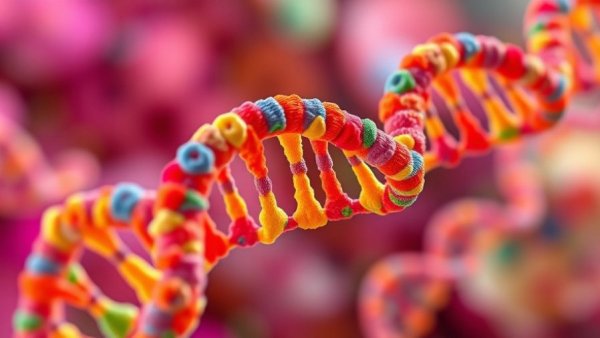
The Link Between Genetics and Cancer: A Surprising Revelation
Recent research has shifted the understanding of cancer's origins, challenging the long-held belief that our genes are the primary culprits. In a fascinating discussion highlighted in the video Your genes may not be where cancer starts, the complexity of cancer development has come to light, suggesting that it is influenced by a multitude of factors beyond mere genetics. With advancements in science, many are now beginning to understand that the narrative of cancer is far more intricate than a simple genetic predisposition.
In the video Your genes may not be where cancer starts, the discussion dives into the surprising factors influencing cancer development, prompting us to analyze its implications for our health.
Understanding Cancer: Beyond Just Genetics
Scientists have long studied the role of genetics in cancer, but emerging studies indicate that environmental factors, lifestyle choices, and even emotional well-being significantly contribute to cancer development. Research shows that nearly 70% of cancers can be attributed to environmental factors and personal choices, while only about 30% are genetic. These findings underline the importance of looking at the bigger picture and not solely focusing on genetic predisposition. It also raises awareness about the importance of preventive action.
Emotion and Environment: Key Players in Cancer Formation
Emotional health plays an essential role in physical health. Chronic stress, for instance, can weaken the immune system and hinder the body’s ability to fight off diseases, including cancer. Studies have shown that high-stress levels can lead to inflammation, which is linked to various types of cancer. Moreover, environmental toxins found in everyday products, pollution, dietary choices, and even our social interactions can create a fertile ground for cancer to thrive. This realization encourages a shift towards a holistic approach to health, where emotional and mental well-being is prioritized just as much as physical health.
Practical Steps: Empowering Yourself Against Cancer
With the understanding that cancer can stem from various factors, individuals can take proactive measures to enhance their overall health. Engaging in regular exercise is essential, as it not only helps maintain a healthy weight but also boosts the immune system. Additionally, a balanced diet rich in fruits and vegetables, which are high in antioxidants, supports cellular health and reduces inflammation in the body. Managing stress through techniques such as mindfulness, yoga, or simply taking breaks to recharge is also crucial. Furthermore, fostering supportive social relationships provides emotional support, which can bolster mental health and reduce the likelihood of chronic stress affecting physical health.
Practical changes can be simple yet impactful. Replacing processed foods with whole alternatives, setting aside time for physical activity, and making time for social interactions can promote a healthier lifestyle. By doing so, individuals not only take steps to prevent cancer but also enhance their overall quality of life. The focus here is on creating a well-rounded lifestyle that supports wellness, allowing for better resilience against various health challenges.
Future Insights: The Evolving Perspective on Cancer Prevention
As research continues to evolve, future insights may redefine cancer prevention strategies. Exploring the impact of epigenetics may provide new avenues for understanding how lifestyle changes can influence gene expression. For example, studies suggest that diet and exercise can switch certain genes on or off, which may protect individuals from cancer. This changing landscape encourages ongoing education and awareness, allowing individuals to adapt their lifestyle choices accordingly and take a more proactive stance against potential health risks.
Conclusion: Embracing a Holistic Approach to Wellness
The video Your genes may not be where cancer starts presents an intriguing perspective that has the potential to alter health and wellness conversations significantly. By embracing a holistic approach to health that prioritizes emotional well-being, dietary choices, and lifestyle factors, individuals can take significant steps towards reducing their cancer risk and fostering a healthier future. This holistic view empowers individuals to be informed decision-makers in their health journeys.
Now is the time to take charge of your health. Consider assessing your current lifestyle choices and see what changes you can make today. Your future well-being may very well depend on it! By prioritizing a balanced life that incorporates emotional support, healthy eating, and physical activity, you will not only be protecting yourself against cancer but also promoting overall well-being and longevity.










Write A Comment