

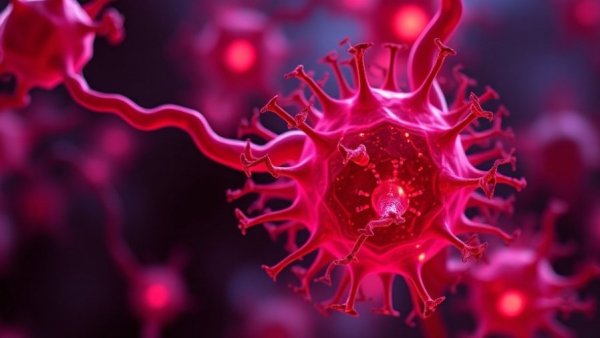
Understanding Immune Health and Aging
When we think about our immune system, it often revolves around protecting us from seasonal illnesses. However, our immune health is much more complex. It plays a crucial role in managing inflammation, maintaining internal balance, and boosting our energy levels. As we age, changes in our immune system are inevitable. These shifts can lead to conditions with names like inflammaging, which reflects a state of chronic, low-grade inflammation commonly seen in older adults.
What Happens to Our Immune System as We Age?
According to research published in Nature Aging, aging carries significant shifts in our immune system. For instance, age diminishes the thymus’s ability to produce new T cells, which are vital in responding to new infections. Consequently, older adults may struggle against new pathogens, making vaccines less effective and increasing the risk from novel infections.
This evolution also leads to an accumulation of memory T cells, which can respond to known threats but lack flexibility when encountering new challenges. Essentially, our immune responses might slow down, leaving us more vulnerable to health issues.
Enter Urolithin A: A Promising Postbiotic
In light of these challenges, a recent placebo-controlled trial examined how urolithin A, a postbiotic compound, could affect aging immune cells. The study enrolled adults aged 45 to 70, dividing them into two groups: one taking 1,000 mg of urolithin A daily and the other receiving a placebo for four weeks. The results were intriguing, showing a modest increase in naïve CD8 T cells among those who received urolithin A, which are crucial for fighting off new infections.
Additionally, participants showed improved metabolic flexibility – their immune cells became better at utilizing fatty acids for energy, highlighting the potential of urolithin A to enhance mitochondrial function.
Beyond Immune Health: Broader Implications of Urolithin A
The benefits of urolithin A extend beyond the immune system. Initial findings suggest that it may also improve muscle strength and endurance. In trials, older adults exhibited significant improvements in muscle Endurance, which is vital as we age and experience muscle atrophy. Furthermore, laboratory studies indicate that urolithin A could positively influence fat metabolism and support liver health, making it a compound of interest for various metabolic disorders.
Practical Strategies to Support Mitochondrial Health
Supporting your mitochondria, which are crucial for energy production and cellular health, can also combat the effects of aging. Here are some tips to keep those powerhouses functioning optimally:
- Cut Processed Foods: Eliminate processed foods and excess vegetable oils from your diet to reduce inflammation and support mitochondrial health.
- Maintain a Balanced Diet: Focus on nutrient-dense, whole foods. Incorporate healthy carbohydrates to fuel your energy production effectively.
- Limit Environmental Toxins: Choose natural materials for home items and food storage to minimize your exposure to harmful chemicals.
- Get Sunlight: Regular sun exposure can stimulate your mitochondria to produce melatonin, offering cellular protection.
- Support NAD+ Levels: Consider taking niacinamide to help boost your NAD+ levels, which is vital for energy and immune function.
Empowering Yourself for a Healthier Future
The implications of urolithin A in support of mitochondrial and immune health bring exciting possibilities as we strive to embrace vitality in our later years. As research unfolds, understanding the dynamics of our aging immune systems and the potential interventions like urolithin A empowers us with knowledge and practical steps to enhance our health. Consider incorporating foods rich in ellagitannins for natural enhancement or explore supplements under a healthcare provider’s guidance.
Taking charge of your health today can pave the way for resilience tomorrow, emphasizing that it’s never too late to invest in your well-being.









Write A Comment